Expert Advice on Pentagon Painting, Inc.
"From Color Choices to Post-Job Clean-Up: What You Can Expect From Your Painting Services"
When hiring expert painting contractors, clients can expect a systematic procedure that starts with color consultation. This choice is essential for achieving a harmonious environment. The preparation phase follows, establishing the foundation for a positive result. Familiarizing yourself with the methods and approaches used can enhance expectations. However, the journey does not end there. What occurs on the day of painting, and how is the space transformed afterward? Exploring these aspects reveals the genuine benefits of expert painting services.
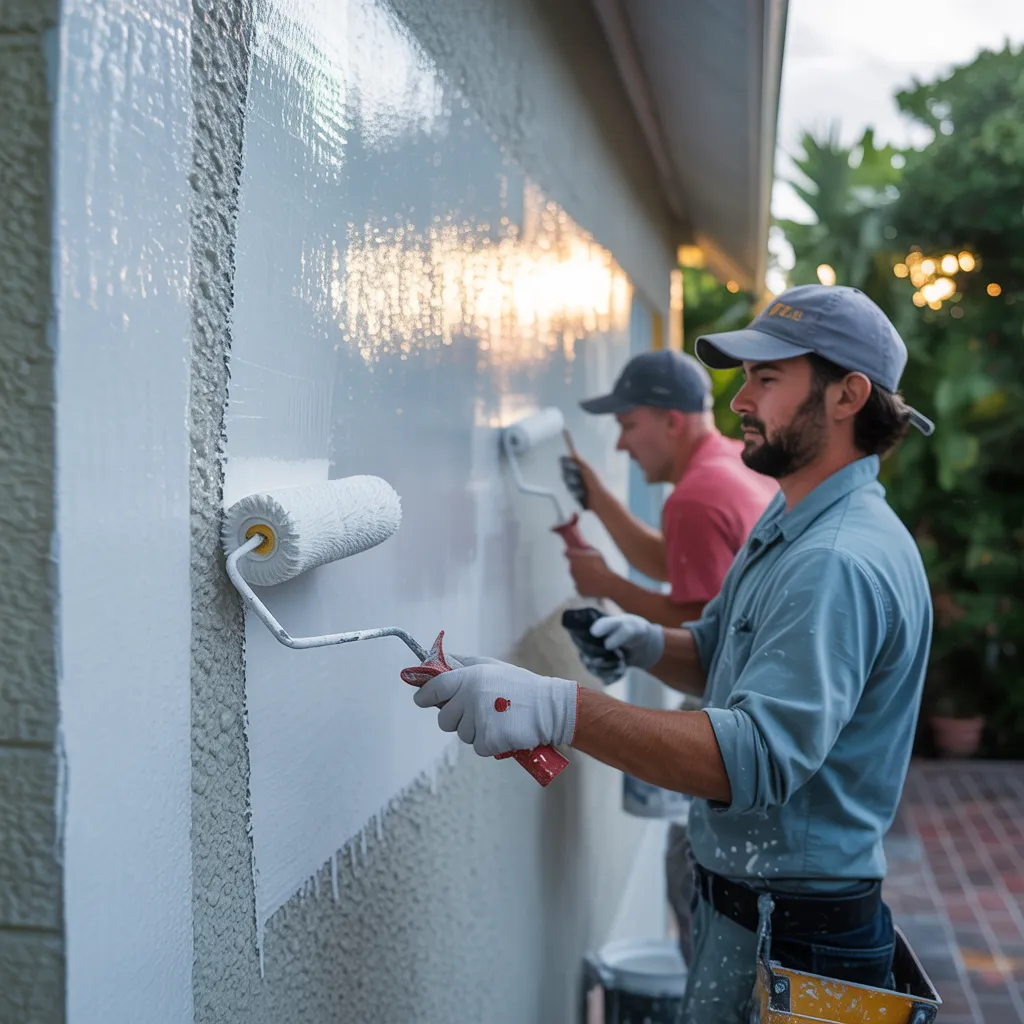
Selecting Colors: Tips for a Balanced Space
When choosing colors for a painting endeavor, homeowners ought to think about how various shades work together within a space. The choice of color not only impacts the overall look but also shapes the atmosphere and sense of proportion within a room. Light colors can create an illusion of spaciousness, making smaller areas feel larger, while dark hues can add depth and intimacy.
Homeowners must also consider the lighting circumstances in each space, as natural and artificial light can alter the appearance of colors throughout the day. Aligning colors with existing furniture and decor is vital for accomplishing a harmonious aesthetic. Moreover, accounting for the connection between adjoining areas guarantees harmony throughout the home. Testing color samples on the walls can offer a glimpse of how the selected colors will present themselves in diverse lighting situations. In the end, careful color choice significantly enhances the general atmosphere of the home.
Setting Up Your Home for a Successful Painting Project
Preparing a home for painting necessitates careful attention to detail. Removing furniture and carefully safeguarding surfaces are essential steps to secure a smooth process and optimal results. By implementing these measures, homeowners can develop a more productive painting setting.
Get Rid of Furniture
Clearing away furniture is vital for a smooth painting project. It allows painters to work on all surfaces without obstruction, providing an consistent application of paint. By removing items such as couches, tables, and shelving units, homeowners can avoid unintended damage to their possessions read the facts while improving the effectiveness of the painting process. Furthermore, clearing the area creates a tidier environment, enabling the painters to work with minimal interruptions. It is suggested to place furniture in a separate room or storage area, while also considering the removal of wall decorations and light fixtures. This preparatory measure not only preserves the furniture but also contributes to a more efficient workflow, leading to a refined result and a faster turnaround time for the painting project.
Preserve Surfaces the Right Way
To secure a effective painting project, protecting surfaces is essential. Professional painting services commonly commence by inspecting the area to pinpoint surfaces that need protection, such as floors, furniture, and fixtures. They commonly employ drop cloths or protective sheeting to protect flooring and furniture, avoiding paint drips and splatters. Additionally, painters may tape edges and trim to achieve sharp lines and reduce the chance of unintended overspray. Extra attention is given to fragile items or zones that demand greater caution. By implementing these safeguarding steps, expert painters establish an ideal setting for their tasks, guaranteeing that the outcome aligns with the homeowner's vision while maintaining the integrity of the property's surfaces.
Why Surface Preparation Is Essential for a Flawless Finish
Although many people disregard the value of surface preparation, it serves a critical function in achieving a flawless finish in paint applications. Proper preparation encompasses sanding, cleaning, and fixing surfaces to ensure they are smooth and free of imperfections. This significant step allows paint to bond more effectively, minimizing the chances of peeling or cracking with time.
Lack of proper preparation often causes inconsistent surfaces that negatively affect the appearance of the final result. Dust, grease, or old paint can act as barriers that hinder new paint from bonding correctly, leading to a dull finish. In addition, detecting and resolving any underlying issues, such as mold or structural damage, is crucial for securing long-term durability.
In the end, dedicating time and effort to surface preparation establishes the groundwork for a polished, professional outcome. By prioritizing this step, clients can enjoy a beautiful, lasting finish that enhances their space and reflects quality workmanship.
What Painting Techniques Will Be Used?
When examining painting techniques, numerous approaches can greatly influence the end result. The selection of brush and roller methods, as well as the application of spraying techniques, serves a critical function in reaching the intended outcome. Additionally, distinctive finishing options can improve the visual appearance, making understanding these options vital for informed decisions.
Brush Versus Roller Techniques
Choosing between the brush and roller techniques can greatly impact the outcome of a paint job. Brushes are ideal for detailed work, such as corners and edges, providing precision and control. They also perform well in covering rough surfaces, guaranteeing complete coverage in every crevice. However, rollers are favored for bigger surfaces due to their efficiency and speed. They can rapidly coat wide surfaces, offering an even finish with minimal visible strokes. The selection between these approaches often is influenced by the specific requirements of the project, including the kind of surface, desired finish, and the experience of the painter. In the end, both methods are vital to achieving a polished and professional result.
Spraying Techniques Explained
Spray application methods provide a different approach to applying paint, particularly ideal for broad areas and complex designs. This technique employs purpose-built tools that convert paint into tiny droplets, enabling a uniform and consistent finish. Frequently employed in both home and business environments, spraying can substantially decrease the duration needed versus traditional methods. Methods including airless spraying and HVLP systems are widely favored options, each delivering unique advantages. Airless spray systems deliver high pressure suitable for heavy coatings, while HVLP systems limit excess spray, rendering them suitable for intricate applications. Recognizing these methods allows clients to value the efficiency and quality of results achieved, guaranteeing their project achieves the desired results.
Special Finishes Summary
Specialty finishes enhance the visual appeal of a paint project, offering unique textures and visual effects. Methods like faux finishes replicate the appearance of natural materials, such as marble or wood, introducing depth and refinement. Metallic coatings offer a lustrous quality, enhancing light and creating a modern feel. Distressed finishes, often used in rustic settings, impart a vintage charm by simulating wear and tear. Furthermore, textured coatings can produce tactile surfaces that capture attention and encourage touch. Each special finish requires skilled application to achieve the desired look, guaranteeing that the completed outcome matches the homeowner's expectations. Familiarity with these methods enables clients to make well-informed decisions that significantly improve their spaces.
What to Anticipate on Painting Day
What happens on painting day can heavily affect the entire experience for homeowners. Once they arrive, the team of painters typically conducts a walkthrough to verify details and handle any final questions. Residents can expect the team to prepare the space, which involves moving furniture, setting down protective coverings, and taping edges to ensure clean lines.
Once preparations are complete, the actual painting begins. Professional painters usually start with ceilings, followed by the walls and trim work. Residents may see the team proceeding systematically, using specialized methods to achieve the preferred outcome. Communication remains key; painters often update homeowners on progress and any unexpected issues that may arise.
Throughout the day, homeowners might experience certain noise levels and paint fumes, making it recommended to keep away from the work area. Ultimately, a properly planned painting day paves the way for a successful transformation of the living space.
What's Included in Post-Painting Clean-Up?
Once the final coat of paint has dried, the post-painting cleanup procedure gets underway, making certain that the space is left tidy and prepared for use. Expert painting services typically include several key steps in this stage. First, painting professionals will carefully take away protective coverings from floors and furniture, making sure no remnants of tape or cloth remain. Following that, they will address any paint drips or splatters, applying suitable solvents to bring surfaces back to their prior condition.
In addition, every painting tool, brush, and container is cleaned and stored away, reducing clutter. The team will also conduct a thorough inspection of the area to make certain that every detail has been attended to. Finally, waste management is carried out responsibly, with leftover paint and materials discarded according to local regulations. This thorough cleanup process not only improves the aesthetic quality of the freshly painted area but also demonstrates the professionalism of the painting service.
Last Steps: Securing Your Satisfaction
Once the clean-up is finished, the attention turns to the last steps that secure client satisfaction. This stage involves a meticulous inspection of the painting work, verifying uniform coverage and consistent color throughout. Professional painters meticulously check for any missed spots or imperfections, resolving these promptly to preserve the overall quality.
Dialogue proves vital during this process; painters frequently connect with clients to confirm their expectations have been met. Homeowners are welcome to voice any concerns or request adjustments, promoting a team-oriented atmosphere.
In addition to visual inspections, the crew may use protective finishes or touch-ups as necessary, guaranteeing durable outcomes. When all aspects meet expectations, the painting team typically provide maintenance guidance, empowering homeowners to keep their renewed space in top condition.
In the end, these final touches cement the client's overall overall experience, transforming a mere service into a meaningful partnership grounded in excellence and satisfaction.
Questions Our Customers Often Ask
How Long Can the Paint Be Expected to Last After the Work Is Finished?
Generally, paint holds up anywhere from five to ten years, depending on factors like paint quality, surface preparation, and environmental conditions. Routine upkeep and correct application can greatly increase its durability, delivering an enduring finish.
Do You Offer Eco-Friendly Paint Choices for My Project?
Eco-friendly paint options are widely available for various projects. Such paints generally feature reduced levels of volatile organic compounds (VOCs), making them safer for the environment and indoor air quality, yet continuing to deliver outstanding coverage and long-lasting durability.
What if I Decide to Change My Color Choices?
If a client changes their mind about colors, the painting company typically accommodates the request, frequently necessitating a conversation regarding possible delays and extra expenses. Clear communication guarantees a satisfactory outcome for all parties involved.
Am I Able to Stay at Home While Painting Work Is Underway?
Yes, homeowners can continue living in their homes during painting projects, despite the potential inconvenience. Proper ventilation and protective measures are used to minimize disruption, yet certain spaces may be temporarily off-limits or require relocation to ensure safety.
How Do You Manage Furniture and Personal Belongings During the Painting Process?
Throughout the painting procedure, expert technicians routinely relocate or protect furnishings and personal items with protective materials. This ensures that possessions are kept safe while allowing the professionals to work in all spaces with ease and precision, improving the quality of the entire project.